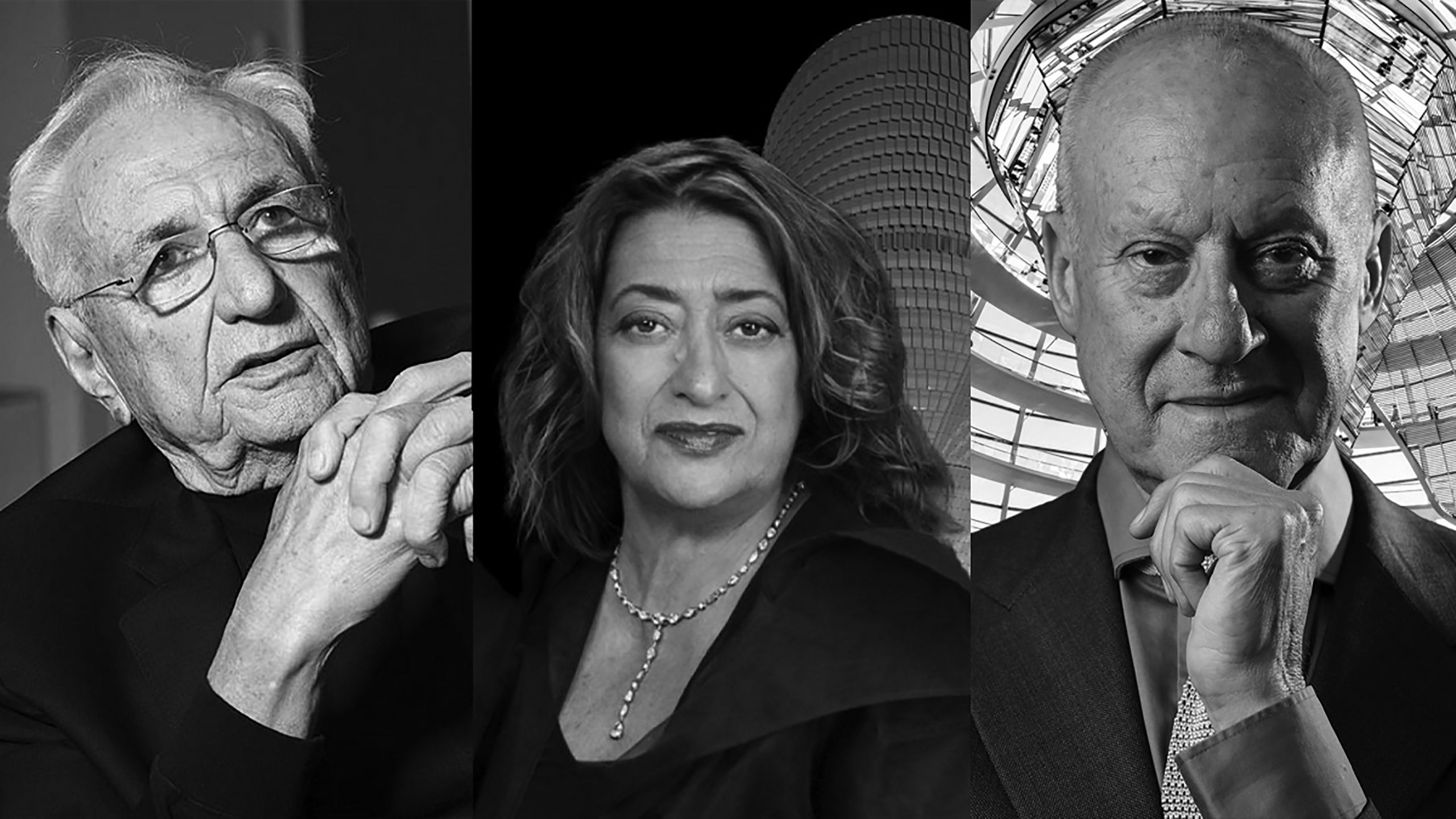
Architecture is famous for producing genius and famous for producing broke geniuses. Long hours, thin margins, and a culture that treats talking about money as vulgar. So the architects who built real wealth are worth studying — not to envy the numbers, but to understand what they did differently. Spoiler: it was rarely just the buildings.
Here's a rough ranking of the world's wealthiest architects (estimates, and they move around), followed by the business patterns underneath the wealth.
The list
| Architect | Est. net worth | Known for |
|---|---|---|
| Norman Foster | ~$240M | Foster + Partners; the Gherkin, Hearst Tower |
| Frank Gehry | ~$100M | Guggenheim Bilbao, Walt Disney Concert Hall |
| Zaha Hadid (d. 2016) | ~$89M | London Aquatics Centre, Heydar Aliyev Center |
| Le Corbusier (legacy) | ~$40M | Villa Savoye, Unité d'Habitation |
| Frank Lloyd Wright (legacy) | ~$25M | Fallingwater, the Guggenheim |
| Renzo Piano | ~$20M | The Shard, the Whitney |
| Bjarke Ingels | ~$17M | BIG; 8 House, VIA 57 West |
| Kongjian Yu | ~$15M | Landscape urbanism; Red Ribbon Park |
| Maya Lin | ~$12M | Vietnam Veterans Memorial |
| Sir David Adjaye | ~$10M | Smithsonian NMAAHC |
| Kengo Kuma | ~$5M | Nature-integrated design |
| Hafeez Contractor | ~$5M | India's wealthiest architect; The Imperial, Mumbai |
| Santiago Calatrava | ~$1.4M | WTC Oculus, structural expression |
Figures are public estimates and vary widely by source; treat them as directional, not exact.
What the wealthy ones have in common
Scroll the list and the pattern jumps out. These architects didn't just design at a higher level — they built businesses at a higher level. Four things repeat:
1. A signature they own
Foster's precision. Gehry's curves. Hadid's fluidity. Each turned a recognizable design language into a brand — and brands command premiums. When your name is shorthand for a look, you stop competing on price and start being sought out.
2. Positioning at the top of the market
None of them won by being the cheapest. They positioned as the definitive choice for landmark, high-budget work — the projects where fee sensitivity disappears because the client needs this specific architect. Premium positioning is a decision, not an accident.
3. Revenue beyond the drawing board
The wealth rarely comes from fees alone. It comes from products (Kuma's and Piano's design collaborations), teaching and speaking, developer partnerships and equity, furniture, exhibitions, and licensing. They built multiple income streams off one reputation.
4. A firm that scales past the founder
Foster + Partners employs over a thousand people. That's the difference between a talented architect and a wealthy one: a business that produces value whether or not the founder is at the desk. Systems, not heroics.
The takeaway for the rest of us
You don't need a skyline to apply this. The mechanics scale down: develop a recognizable point of view, position yourself as the specific answer to a specific client, build income that isn't only hourly fees, and design a practice that doesn't collapse without you. Wealth in architecture has never come from working harder on the drawings. It comes from building a better business around them.
Your work is good enough. Your business should be too.
This is exactly the kind of client-getting system we build together — positioning, funnels, and a way to charge what you're worth. Book a free 30-minute call and we'll map your next 90 days. No pitch, no pressure.
Book a free call →